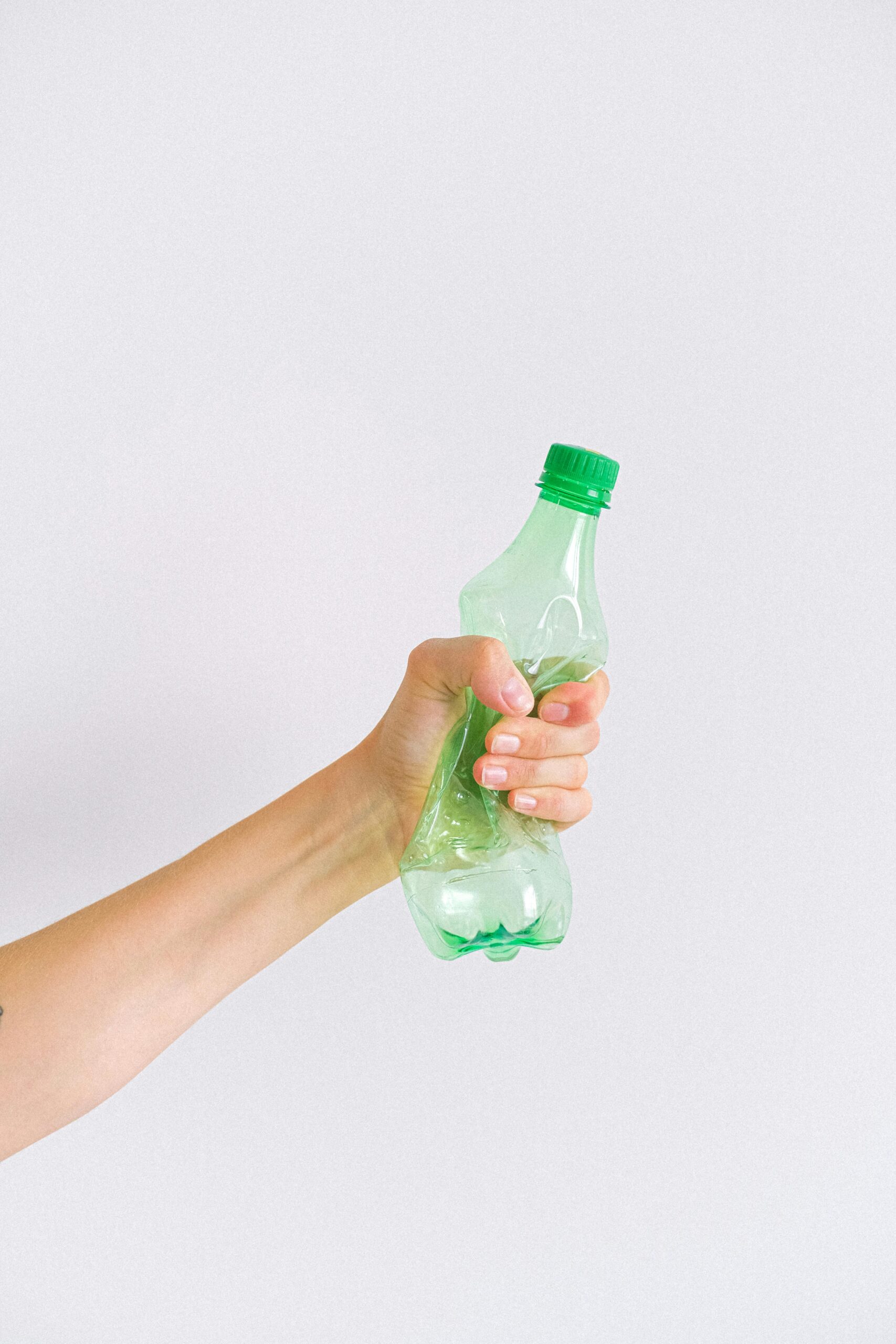
We live in a world surrounded by plastic. From food containers and water bottles to packaging, household goods, and even the air we breathe. Plastic has made life more convenient, but emerging science is showing that the health costs may be far greater than most of us think — especially for men over 40.
Men at this stage of life are already navigating age-related stressors like slower metabolism, changing hormones, and an increased risk of chronic disease. Adding hidden chemical exposure from everyday plastics into the mix can quietly compound risks and impact your long-term health in unexpected ways.
Let’s break down what plastics are doing inside your body, why it matters particularly after age 40, and what you can do about it.
The Plastic Problem: More Than Just Waste
When we talk about “plastics,” we’re not just talking about visible waste. We’re talking about the chemicals in plastics that can leach into food, water, and even the air — and that can end up inside your body.
Plastics are made with thousands of chemicals — many of which are classified as endocrine-disrupting chemicals (EDCs). These are substances that can interfere with your body’s hormone systems. Hormones control everything from metabolism and energy to fertility and mood — especially male hormones like testosterone. Exposure to these chemicals has been linked to increased risk of chronic diseases, reproductive issues, cancers, and metabolic dysfunction.
Plastics and Hormone Disruption
One of the most concerning ways plastics affect health is through hormone disruption. EDCs are designed (or simply behave) in ways that mimic or block your natural hormones — such as testosterone — leading your body to misinterpret signals. This disruption can throw crucial bodily systems off balance.
In men, hormone imbalance driven by chemicals like BPA (bisphenol A) and phthalates (plasticizers used to make plastics flexible) has been associated with lowered testosterone levels and impaired sperm production. Both of these are critical issues for men’s reproductive health.
While much of the research is ongoing, evidence suggests that microplastics and the chemicals they carry can interfere directly with endocrine regulation, meaning they don’t just coexist with your hormones — they disturb them.
This is not just theoretical.
- Scientists have detected microplastics in human tissues, including arteries, and found they carry substances linked to cellular damage and inflammation.
- Research shows EDCs from plastics are linked to metabolic disturbances and reproductive dysfunction.
The Dangers to Reproductive Health
For men, the reproductive system is particularly sensitive to hormonal balance. High exposure to chemicals like phthalates — which are found in many plastics used for food packaging, housewares, and personal care products — has been shown in multiple studies to:
- Lower sperm count and motility
- Alter testosterone levels
- Disrupt other hormones involved in male fertility
- Interfere with the endocrine (hormonal) axis that regulates reproductive processes
These effects aren’t limited to occupational exposure. Everyday contact with common plastic items — especially heated plastics used in food storage — can lead to measurable chemical uptake in the body over time.
While research on plastics and fertility continues to grow, enough evidence exists to raise concern, especially for men who might already be facing age-related declines in testosterone or sperm quality.
Metabolic and Chronic Disease Risks
It’s not only hormones that plastics can affect. Some plastics components have been tied to metabolic issues — such as weight gain, insulin resistance, and inflammation. Research exploring the impacts of plastic-derived chemicals like BPA and phthalates shows that:
- These chemicals can increase oxidative stress and damage mitochondria (the cellular “powerhouses”), which impairs energy production.
- Immune function and gut integrity may be disrupted, leading to chronic inflammation — a key driver of heart disease, diabetes, and aging-related decline.
This means plastics don’t just interfere with hormones — they can compromise your body’s ability to manage energy, recover from stress, and protect against disease.
Plastics and Cancer Risk
While the links between plastics and specific cancers in men over 40 are still under study, the consensus among scientific bodies is that certain chemicals used in plastics have been associated with carcinogenic activity. EDCs can mimic or disrupt hormonal signaling related to cell growth and proliferation — processes involved in many hormone-related cancers like prostate cancer.
The cumulative effect of daily exposure, even in small amounts over decades, could increase cancer risk later in life — especially when coupled with other lifestyle and aging factors.
Invisible Exposure: Microplastics in the Body
One of the most unsettling developments in recent research is the discovery that microplastics — tiny plastic particles smaller than a grain of sand — have been found in human tissue samples, including arterial tissue and placentas.
Although the long-term health effects of microplastics themselves are still being determined, early studies suggest they may:
- Promote inflammation within tissues
- Release toxic additives that leach out inside the body
- Disrupt cellular function
- Interfere with hormone signaling
- Potentially contribute to disease processes similar to air pollution particles
This means plastic exposure isn’t just about chemicals in your food — microplastics are entering your body through air, water, and diet.
Why Men Over 40 Need to Pay Attention
Men over 40 are in a phase of life where hormonal balance, metabolic resilience, heart health, and reproductive function are already under different biological pressures than in youth. Add in chronic exposure to endocrine disruptors found in everyday plastics, and you have a hidden burden most people never hear about.
As you age:
✔ Your hormone regulation becomes more delicate
✔ Your metabolism shifts
✔ Your risk for chronic diseases increases
✔ Your reproductive system becomes less resilient
Plastics and the chemicals they contain can accelerate or exacerbate these age-related shifts — quietly, cumulatively, and often without obvious symptoms until the effects are significant.
That’s why understanding how to protect yourself is not just optional — it’s essential.
Practical Ways to Reduce Plastic Exposure
You can’t live in a bubble, but you can take practical steps to cut down exposure:
🧴 Minimize Use of Single-Use Plastics
Avoid single-use water bottles, takeout containers, and plastic bags — especially for hot food where plastics may leach chemicals.
🍽 Choose Safer Food Storage
Swap plastic food containers for glass or stainless steel, and avoid microwaving food in plastic, as heat increases chemical leaching.
🥤 Mind What You Drink From
Use BPA-free certified products — but be aware that many BPA replacements can have similar effects, so glass and metal are better long-term choices.
🧼 Be Selective With Personal Care Products
Many plastic products (bottles, cosmetics, lotions) contain hidden chemicals like phthalates — check labels and choose products without them.
🚰 Filter Your Water
Some water filters can reduce microplastic and chemical contaminants — a worthwhile investment if plastic exposure from drinking water is a concern.
A Caring Call to Action
No one expects you to completely eliminate plastic from your life — it’s everywhere. But you can reduce exposure in meaningful, everyday ways that protect your health now and into the future.
For men over 40 — especially those concerned about hormones, fertility, chronic disease risks, or aging well — making small, consistent changes around plastic use and exposure is a powerful step toward better health.
You’re not powerless against these invisible threats — you just need awareness, intention, and a willingness to change habits that may seem insignificant but have significant long-term impact.
Start today:
Choose safer containers. Ditch single-use plastics. Limit plastic-wrapped foods. Filter your water. Read labels. Make your environment work for your health, not against it.
Your body is your most important asset — protect it.

