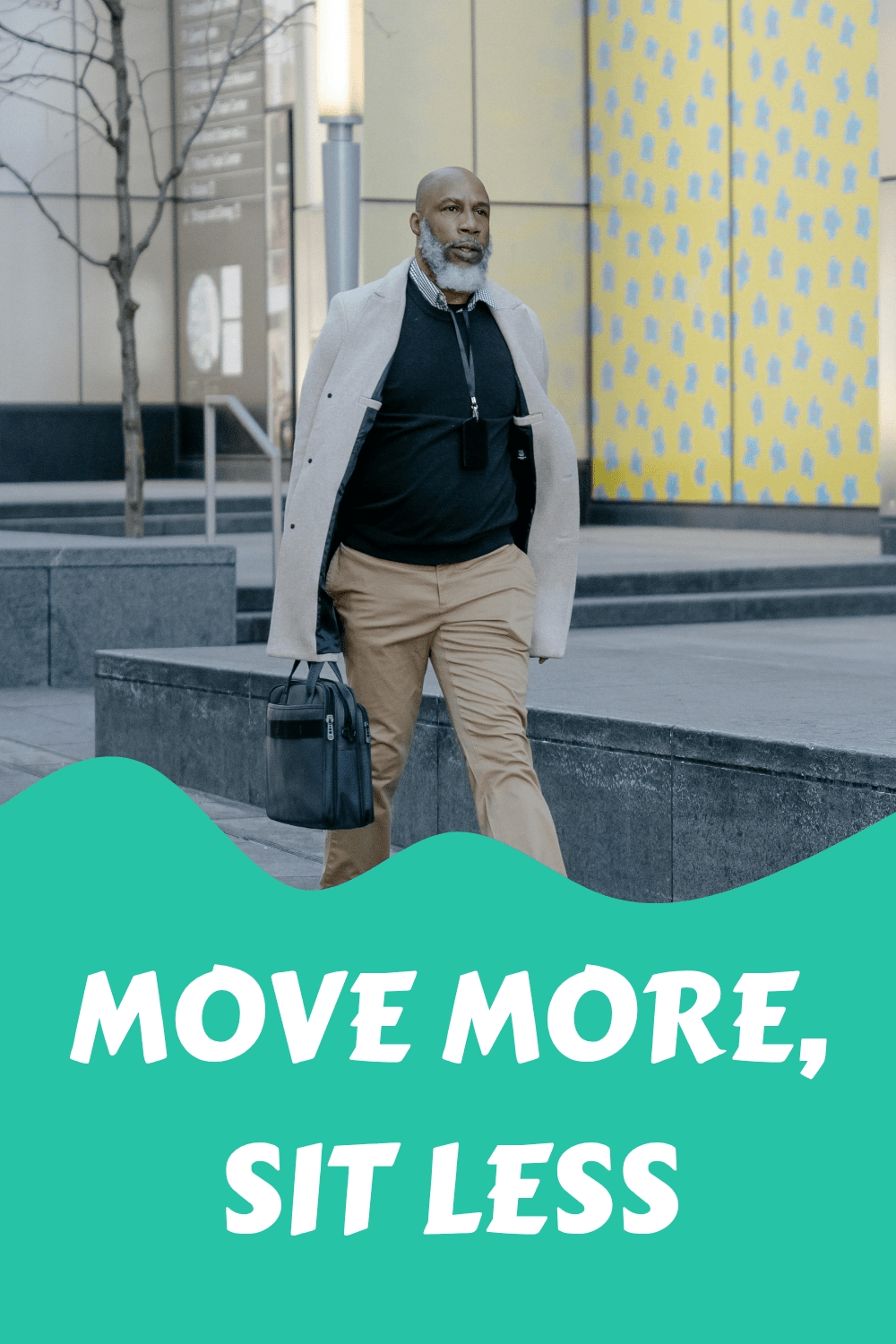
If you’re a man over 40, you likely remember being more active in your 20s and 30s. Life seemed to move you rather than the other way around. Work, play, chores, errands — you rarely sat still for long. But somewhere between the desk job, kids, responsibilities, and screens, movement took a back seat and sitting became the default.
Today, many men over 40 spend a large portion of their day seated — at work, during commutes, in front of screens, on the couch after dinner — barely moving between morning and night. But research is now clear: prolonged sitting isn’t just “bad for you” — it’s linked to real health risks that can shorten your life and reduce quality of life. Switching from a sedentary lifestyle to one with regular movement isn’t just advice — it’s a vital strategy for longevity, resilience, and everyday wellness.
Let’s break down the serious consequences of sitting too much, the power of movement, and how small changes can make a big difference for men over 40.
The Hidden Dangers of Sitting Too Much
Sitting for hours each day — whether at a desk, in a car, or on the couch — may feel normal, but the science shows it’s linked to increased risk of major health conditions.
1. Increased Risk of Chronic Disease
According to the World Health Organization, physical inactivity and sedentary behavior are linked to higher all-cause mortality, cardiovascular disease, cancer, and type-2 diabetes in adults. Regular physical activity reduces these risks significantly, but simply sitting too much elevates them again.
2. Higher risk of early death
People who are insufficiently active have 20%–30% higher risk of death compared to those who are active. A sedentary lifestyle rivals other high-risk behaviors like obesity and smoking when it comes to mortality.
3. Heart health takes a hit
Extended periods of sitting have been associated with greater risk of heart disease, heart failure, and cardiovascular death — even among people who regularly exercise. Every extra hour of sitting increases those risks further.
4. Poor metabolic health
Sitting lowers glucose uptake by muscles and can reduce the breakdown of blood fats, which contributes to insulin resistance, elevated risk of type-2 diabetes and weight gain.
5. Cognitive and brain effects
Emerging research shows that prolonged sitting may be linked to brain shrinkage and cognitive decline, even if someone exercises regularly. That means movement matters every hour of the day, not just during your 1-hour gym session.
Why Movement Doesn’t Need to Be Extreme to Matter
Here’s the good news: you don’t need to train like an athlete.
Every bit counts
Even replacing small amounts of sitting with light or moderate activity makes a difference. Studies show that swapping just 30 minutes of sitting each day with light physical activity (like walking) can lower the risk of death. Moderate or vigorous activity has an even greater impact.
Just 7,000 steps daily has real benefits
Recent research indicates that walking about 7,000 steps per day significantly reduces risk for major conditions such as cardiovascular disease, type-2 diabetes, cancer, depression, dementia, and falls—and lowers overall mortality risk.
Frequent movement beats long workouts + long sitting
Multiple short movement breaks during the day — even just 1 to 5 minutes every hour — contribute measurably to health benefits. That means breaking up prolonged sitting throughout the day is more impactful than a 60-minute workout alone.
The Benefits of Moving More (Backed by Science)
Movement isn’t just a “nice addition” — it’s essential for long-term health, especially after age 40.
1. Better heart and metabolic health
Being active lowers blood pressure, improves cholesterol, increases glucose metabolism, and reduces risk of cardiovascular disease and diabetes.
2. Mental health and mood
Physical activity reduces symptoms of depression and anxiety, boosts brain health, and improves sleep — all of which are key for men navigating midlife stress and responsibilities.
3. Weight control and body composition
Movement helps burn calories, maintain muscle mass, and regulate fat levels — something that becomes harder as testosterone and metabolic rates naturally decline after 40.
4. Cognitive resilience
Movement breaks support better brain function and may reduce the risk of neurodegenerative conditions over time.
5. Everyday strength and mobility
Walking, standing, squatting, and moving throughout the day strengthens muscle, improves balance, and reduces the risk of falls and mobility issues later in life.
How to Move More (Without Turning Your Life Upside Down)
You don’t need a gym membership to make meaningful changes. Here are accessible ways to sit less and move more daily:
1. Set micro-movement goals
Aim to take brief movement breaks every 30–45 minutes — even 2–5 minutes of walking, standing, or stretching helps.
2. Walk whenever possible
Take phone calls while walking, park farther from entrances, and take the stairs. Small steps add up toward the 7,000+ daily goal.
3. Break up prolonged sitting
If your job is desk-based; stand or walk for a few minutes before and after meetings. Set reminders to get up hourly.
4. Turn chores into movement
Household tasks like gardening, vacuuming, or moving laundry count as physical activity and reduce sitting time.
5. Add intentional activity
Aim for at least 150 minutes of moderate activity per week (e.g., brisk walking, cycling, swimming) and add strength training 2–3 times weekly.
Why This Matters More After 40
You can still go to the gym, lift heavy, jog, play sports, and take fitness seriously. But if the rest of your day is spent sitting — commuting, working, watching TV — those benefits are blunted. Long sitting periods are their own risk factor, separate from whether you meet formal exercise goals.
Men over 40 are juggling:
- Work deadlines
- Family responsibilities
- Aging bodies
- Hormonal shifts
- Sleep challenges
Adding numbers on a Fitbit isn’t about vanity — it’s about protecting your health, energy, and future mobility. Movement supports every system in your body and can dramatically reduce your risk of major diseases.
A Caring But Clear Call to Action
You’ve read the science. You know sitting too much carries real risk. But here’s the thing:
You don’t have to transform overnight — you just have to begin.
Start by:
✔ Breaking up long sitting periods hourly
✔ Taking daily walks — even short ones
✔ Aiming for small movement goals like 7,000 steps
✔ Choosing activity over inactivity whenever possible
These aren’t just fitness tips. They are life-changing habits that protect your heart, brain, metabolism, and longevity.
You are not too old to start. You’re never too busy to move. And the truth is simple:
Move more, sit less — it’s one of the best decisions you can make for your health after 40.
Start today — literally one step at a time.