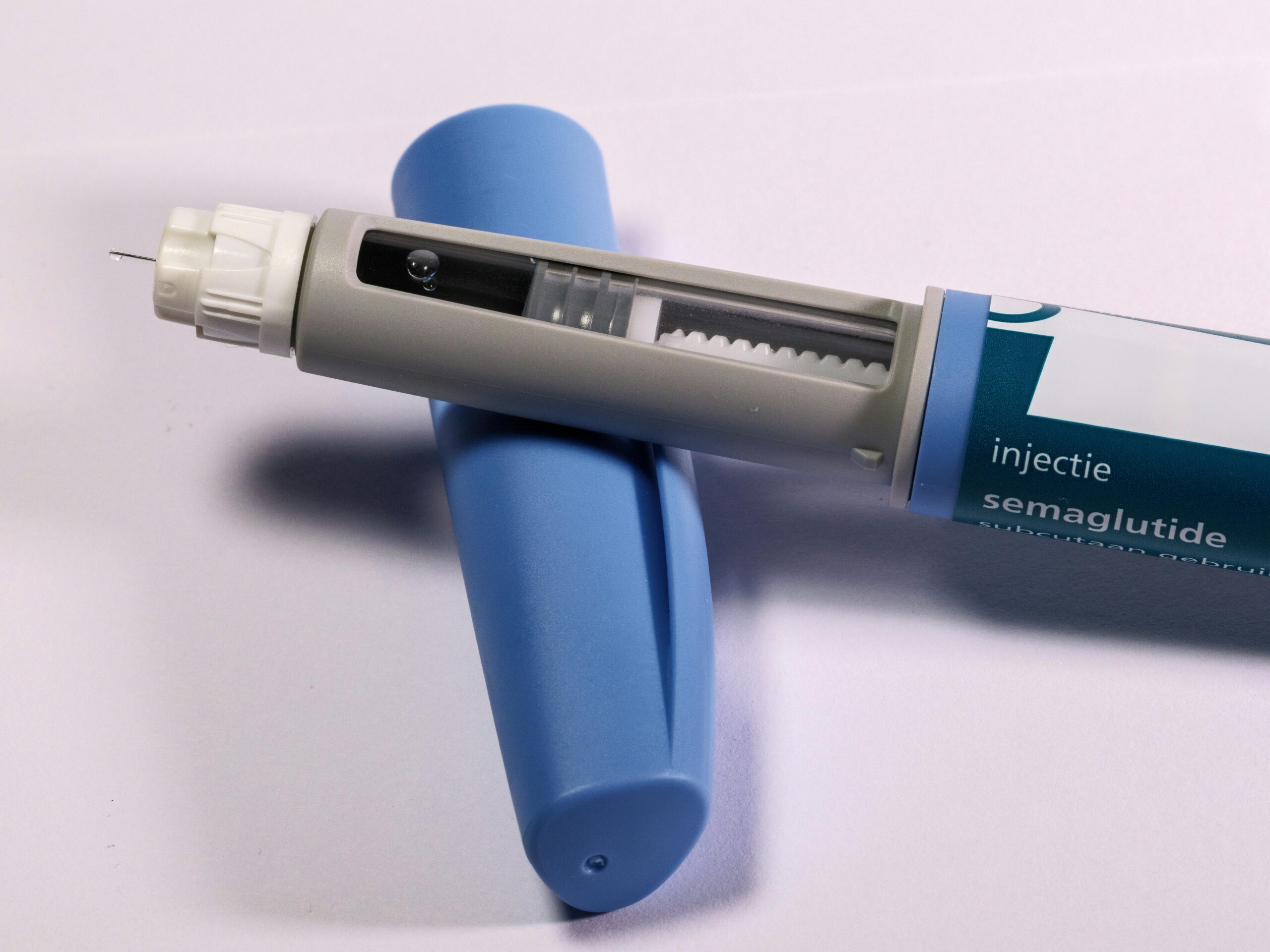
There’s a quiet reality many men over 40 eventually face: what used to work… doesn’t anymore. The same workouts, the same diet, the same discipline—it all starts yielding diminishing returns. Weight creeps up. Energy dips. Blood markers shift in the wrong direction.
That’s where semaglutide enters the conversation.
Originally developed for type 2 diabetes and now widely used for weight loss, semaglutide (found in medications like Ozempic and Wegovy) has quickly become one of the most talked-about tools in modern health. But like anything that works powerfully, it comes with trade-offs.
Because this isn’t a magic shot. It’s a decision.
What Semaglutide Actually Does
Semaglutide is a GLP-1 receptor agonist. In plain English, it mimics a hormone that regulates appetite, insulin, and digestion. It slows how quickly food leaves your stomach and signals your brain that you’re full.
The result? You eat less—often without feeling like you’re constantly fighting yourself.
And for many men over 40, this can feel like a breakthrough.
The Pros: Why So Many Men Are Turning to It
1. Significant, Sustainable Weight Loss
Let’s start with the obvious.
Semaglutide works.
Clinical and real-world data consistently show meaningful weight loss—often in the range of 10–20% of body weight when used consistently. That’s not cosmetic. That’s life-changing.
For men over 40 dealing with stubborn belly fat, insulin resistance, or metabolic slowdown, this can reset the playing field.
2. Reduced “Food Noise”
One of the most underrated benefits is psychological.
Many men don’t realize how much mental energy is spent thinking about food until it quiets down. Semaglutide reduces cravings and impulsive eating by directly affecting appetite regulation in the brain.
This isn’t just about eating less—it’s about feeling in control again.
3. Improved Metabolic Health
Beyond weight loss, semaglutide improves key health markers:
- Blood sugar control
- Insulin sensitivity
- Cholesterol levels
- Cardiovascular risk
In fact, studies show it can reduce the risk of heart attack and stroke in high-risk individuals.
For men over 40, this is where the real value lies—not just looking better, but staying alive longer.
4. Appetite Control Without Extreme Dieting
Most diets fail because they rely on willpower alone.
Semaglutide changes the equation. By naturally reducing hunger, it allows men to maintain a calorie deficit without feeling constantly deprived.
That’s a big deal if you’ve spent years yo-yo dieting.
5. Potential Longevity Benefits
While still being studied, the improvements in weight, cardiovascular health, and blood sugar suggest a strong case for long-term health benefits.
It’s not a longevity drug—but it may support the behaviors and biology that lead there.
The Cons: The Side Most People Gloss Over
Now let’s turn the page and look at the other side.
This is where many men either make a smart decision—or a regretful one.
1. Gastrointestinal Side Effects Are Common
The most frequent issue? Your stomach.
- Nausea (up to ~40% of users)
- Vomiting or diarrhea (20–30%)
- Constipation
- Bloating
These happen because the drug slows digestion.
For many, symptoms improve over time—but not for everyone.
If your lifestyle demands high performance daily, this can be disruptive.
2. Muscle Loss Is a Real Risk
Here’s something that doesn’t get enough attention:
Weight loss isn’t just fat.
Some studies suggest up to 30–40% of weight lost can be lean mass if you’re not actively strength training and eating enough protein.
For men over 40, that’s a problem.
Muscle is your metabolic engine. Lose too much of it, and you may look smaller—but feel weaker, slower, and older at the same time.
3. You Might Need to Stay on It Long-Term
This is the uncomfortable truth.
When people stop semaglutide, the weight often comes back.
Why? Because the underlying habits and biology haven’t fully changed—just suppressed.
So the question becomes:
Are you okay with potentially taking this indefinitely?
4. Potential Serious (Though Rare) Risks
While uncommon, there are more serious concerns:
- Pancreatitis (inflammation of the pancreas)
- Gallbladder issues like gallstones
- Kidney complications, especially with dehydration
- Thyroid tumor warnings (based on animal studies)
These aren’t typical—but they’re not negligible either.
This is a medication, not a supplement.
5. Nutritional Gaps and Low Energy Intake
Because appetite drops significantly, some men under-eat without realizing it.
That can lead to:
- Low protein intake
- Vitamin deficiencies
- Fatigue
- Hormonal disruption
If you’re not intentional, you can end up lighter—but not healthier.
6. The Cost—Financial and Lifestyle
Semaglutide isn’t cheap, especially without insurance.
And beyond money, there’s the lifestyle factor:
- Weekly injections
- Managing side effects
- Structuring meals differently
It requires buy-in. This isn’t passive.
The Bottom Line: Is It Worth It for Men Over 40?
Here’s the honest answer:
It depends on why you’re considering it.
If you’re:
- Struggling with obesity or metabolic disease
- At risk for diabetes or heart issues
- Unable to lose weight despite consistent effort
Semaglutide can be a powerful, even life-saving tool.
But if you’re:
- Looking for a quick fix
- Already relatively healthy
- Not willing to adjust lifestyle habits
It can create new problems while solving old ones.
The Smarter Way to Approach It
If you’re considering semaglutide, don’t outsource your health to it.
Use it as a tool—not a crutch.
That means:
- Prioritizing strength training (to preserve muscle)
- Eating high-protein, nutrient-dense foods
- Staying hydrated
- Monitoring labs regularly
- Working with a knowledgeable physician
This is where most men either level up—or fall off.
The Decision That Actually Matters
Semaglutide isn’t the question.
The real question is this:
Are you willing to change how you live—or just how you eat?
Because no injection replaces discipline, structure, and ownership.
But used wisely, it can give you something many men over 40 haven’t felt in years:
Momentum.
And that’s where everything starts.

