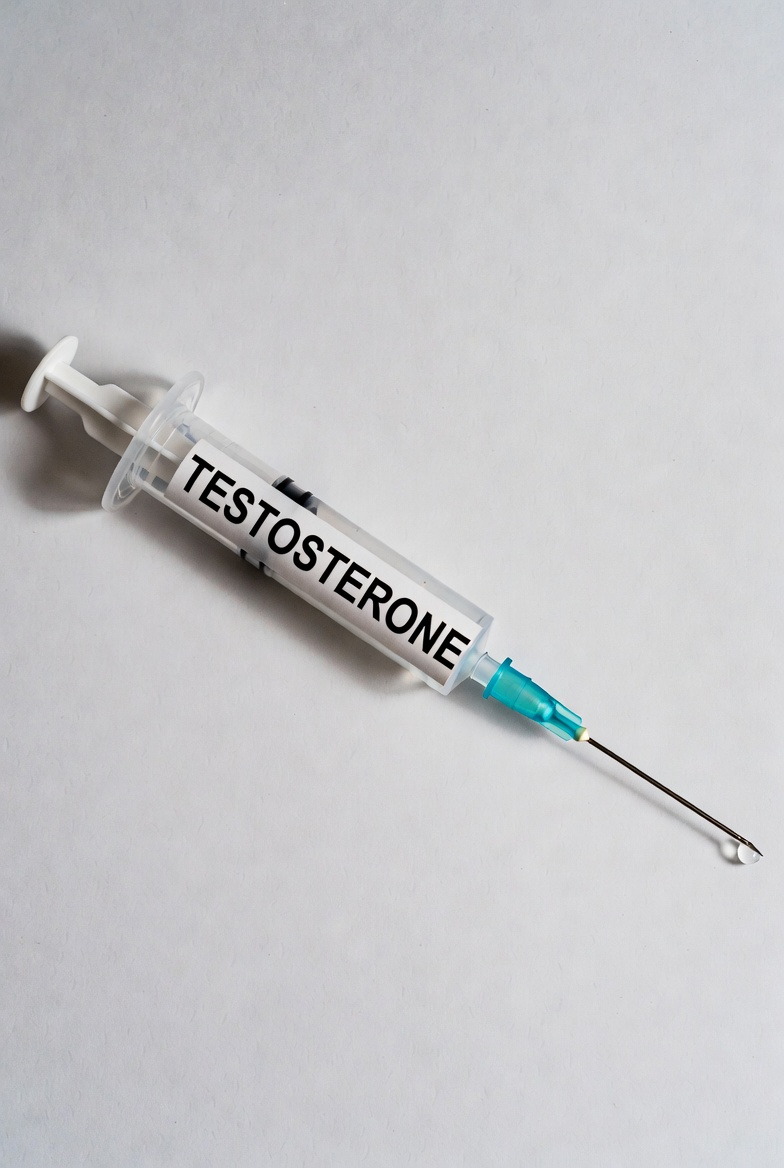
Level with me a bit: If you’re a man over 40, you’ve probably heard the phrase “low T” more than you’ve heard “I love you” lately. Whether it’s from your doctor, a homie at the gym, or a spam email promising to “bring your drive back,” testosterone replacement therapy (TRT) has become one of the most talked-about topics in men’s health.
But between the hype, the horror stories, and the half-truths, it can be tough to know what’s real and what’s risky: Is TRT the fountain of youth or just a shortcut with strings attached? Let’s cut through the noise and get to the truth about testosterone replacement therapy for men over 40 and what you should know before making a decision.
What Is Testosterone and Why Does It Drop After 40?
Testosterone is the hormone that quite literally makes a man, well… a man. It’s responsible for muscle mass, energy, libido, bone strength, mood regulation, and even cognitive sharpness. Think of it as your body’s internal engine oil: When levels are optimal, everything runs smoother.
But here’s the sad truth: Testosterone production naturally starts to decline in your late 30s and drops about 1% each year after that. It doesn’t sound like much, but by your mid-40s or 50s, that total drop can be the result of the compound effect. Some things you may start to notice are:
- Slower recovery after workouts
- Less motivation and energy
- A dip in libido and/or sexual performance
- Brain fog and irritability
- Difficulty building or maintaining muscle
This isn’t a moral failing but biology at work. But thanks to modern medicine, men now have options. One of the most popular (and somewhat controversial) is Testosterone Replacement Therapy (TRT).
What Are The Benefits of TRT?
Let’s start with the good news and align with what’s being marketed to us: When done correctly and under medical supervision, TRT can have real, measurable benefits: Not just for your physical health, but your quality of life. Let’s look at some of the big ones.
1. Increased Energy and Motivation
Many men describe TRT as “feeling like a new man” because testosterone helps regulate metabolism, energy production, and red blood cell creation. Replenishing it can restore the vitality you may not have felt since your 30s. Fatigue lessens, recovery improves, and that “get up and go” starts coming back.
2. Improved Muscle Mass and Fat Loss
Testosterone is anabolic, meaning it promotes muscle growth and helps reduce fat storage. Studies have shown that men on TRT can increase lean muscle mass, lose body fat, and see noticeable strength improvements even without massive changes to their workout routines. For my gym bros, this is like having a cheat code.
3. Better Mood and Mental Clarity
Low testosterone is closely linked to depression, irritability, and decreased cognitive function. TRT often improves mood stability, focus, and overall mental sharpness. Think of it as opening the curtains covering your brain and letting the sun shine through.
4. Enhanced Libido and Sexual Performance
Real talk, this is one of the main reasons fellas look into TRT in the first place. Testosterone directly impacts libido, erectile function, and sexual satisfaction. Many men report a restored sex drive and improved confidence after treatment. And yes, that alone can ripple into better relationships and self-esteem.
5. Stronger Bones and Heart Health
Studies suggest testosterone helps maintain bone density, reducing the risk of osteoporosis and fractures. There’s also emerging evidence that balanced testosterone levels may support cardiovascular health by improving lipid profiles and reducing inflammation (more to come in this area of science)
What Are The Risks of TRT?
Before you run off to your doctor asking them to write you a prescription, let’s pump the brakes real quick. TRT isn’t a one-size-fits-all solution, and it comes with some potential side effects and long-term considerations you need to know about beforehand. Again, the marketing that we receive only points to the benefits and no one takes the time to zoom in on the small print so let me lay some of them out so you can see both sides of the coin.
1. Dependency on External Testosterone
When you introduce synthetic testosterone into your system, your body’s natural production slows down sometimes stops all together. This means once you start TRT, you may need to stay on it for the rest of your life. Coming off can cause the symptoms of low T to return worse than it was before you started treatment.
2. Fertility Concerns
One of the lesser-discussed effects of TRT is that it can suppress sperm production. For men looking to have children, this can be a deal-breaker. If fertility is a goal, you’ll need to talk with your doctor about alternatives like Clomid (Clomiphene Citrate) or HCG which stimulate natural testosterone production instead.
3. Possible Cardiovascular Risks
The link between TRT and heart health is complex. Some studies suggest it improves heart health by reducing fat mass and increasing red blood cells. Others have shown it can raise the risk of blood clots or stroke, especially if hematocrit (blood thickness) levels go too high. That’s why regular bloodwork absolutely has to be done.
4. Hormonal Imbalance and Side Effects
Too much testosterone can convert into estrogen, leading to water retention, mood swings, or even gynecomastia (man boobs). Other side effects can include acne, oily skin, and increased irritability especially if dosage isn’t managed properly.
5. Cost and Monitoring
TRT isn’t a “set it and forget it” therapy and how you start on Day 1 can change at Day 101. It requires ongoing blood tests, dosage adjustments, and doctor visits. Depending on where you live, the monthly cost can range anywhere between $50 to $200 or more. Knowing this upfront is huge to gain how much financial commitment this will entail every single month.
Who Should or Shouldn’t Take TRT?
TRT might be ideal if:
- Your bloodwork shows total testosterone levels below 300 ng/dL
- You have persistent low T symptoms (fatigue, loss of libido, mood changes)
- You’ve tried natural methods like better sleep, resistance training, and nutrition optimization with zero results
TRT probably isn’t ideal if:
- You’re trying to conceive children
- You have a history of prostate or breast cancer
- You’re unwilling to commit to regular lab work and follow-up care
- You don’t have the financial means to maintain consistency
Ultimately, TRT should be guided by data, not desire. Don’t start therapy based on how you feel alone; confirm it with lab tests. Also, be weary of clinics that suggest you to take TRT based off you simply answering a few questions.
Natural Ways to Boost T Before Considering TRT
Before going the medical route, it’s smart to rule out lifestyle factors that might be plummeting your hormone levels. Here are some of the things you have 100% control over if you choose:
- Prioritize sleep: 7–9 hours nightly can raise testosterone by 10–15%.
- Lift weights: Resistance training (especially compound lifts) naturally increases testosterone.
- Reduce belly fat: Excess fat, especially around the midsection, converts testosterone into estrogen.
- Eat enough fats: Healthy fats (olive oil, nuts and seeds, avocados) are the raw materials your body uses to make testosterone.
- Limit alcohol and stress: Both raise cortisol, a testosterone killer.
These strategies won’t turn you into (input superhero), but can help your natural levels function at their best and sometimes, that’s enough to avoid TRT altogether.
At the End of the Day
Testosterone Replacement Therapy for men over 40 can be life-changing but it’s not a magic wand. It’s a tool, not the cure. When managed by a qualified healthcare provider, it can help restore energy, focus, libido, and performance. But if abused or done carelessly, it can cause crazy side effects.
Before jumping in, get your labs done. Work with a doctor who specializes in men’s hormones, not a quick, in and out clinic. Ask questions, track your numbers, and take ownership of your health.
Remember the goal isn’t just more testosterone; it’s better balance.
And when you’ve got that balance, ain’t no knocking you over and that’s when you truly feel grounded, strong, and alive.


Comments
One response
Are you currently taking or do you know someone who is on TRT? What results have they shared with you?