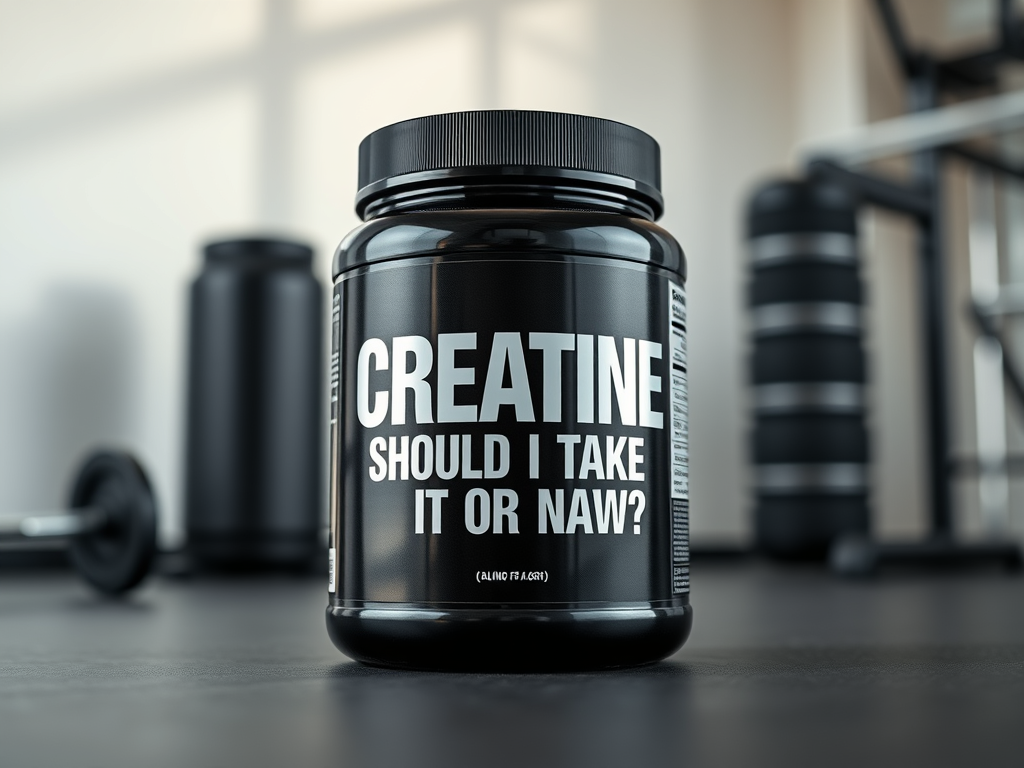
You’ve heard of it, are currently taking it, took it in the past or know of someone who raves about it: Creatine as a fitness supplement has been around over 30-years and the most researched sports supplement (arguable next to caffeine) for increasing performance. Even with all the data and history, there’s still a bit of confusion on who should take it and the benefits offered. But no worries; your boy has been a creatine consumer for close to 20-years and I want to dispel the myths as well as reinforce if it should or shouldn’t be part of your daily supplementation.
A Bit of History
In the 1960’s, scientist were able to discover that supplementing with creatine increased how much stayed stored inside muscle cells. If you recall the movie Rocky IV, Dolph Lundgren played the role of a Soviet boxer and we witnessed the science and technology used to optimize his performance. Well, the Soviets actually supplied their athletes with creatine during the era of the 70’s and 80’s in an attempt to gain a competitive advantage but was very well shrouded in secrecy. Once the cover was blown, everyone around the world, including the U.S. not only took note but also started to supplement with it as well. During the 1992 Barcelona Olympics, creatine, and specifically creatine monohydrate was put on the map and within a couple of years was on the shelves of sport specialty stores such as GNC. It’s so popular today that you can find it at your local retail stores like Walmart and Target similar to the availability of Vitamin C or multivitamins: It’s literally everywhere.
Who Should Be Taking It?
The newest research suggests and makes the argument that everyone, young and old, can benefit from supplementing with creatine: For children, daily supplementation of as little as 1.5g has been shown to increase height, calcium and phosphorus in bone tissue, lean mass and helps reduce fat mass. In middle-age adults, creatine has been touted for its cognitive boosting effects, a contributor to muscle mass increase due to its improvement of ADP (adenosine triphosphate), as well as combating the negative effects of sleep deprivation. For the older population we’re seeing creatine aid in everything from the prevention of type-3 diabetes, also known as Alzheimer’s disease, sarcopenia (bone loss), maintaining strength and even lowering the risk of issues associated with the cardiovascular system.
So When and How Much Should I Be Taking?
Hopefully by now you’ve put two and two together to see no matter your age or activity level, there are benefits to taking creatine monohydrate. The dosage size is important depending on your goals and there are new, compelling studies that are showing benefits beyond the standard dose of 5 grams. Creatine offers a lot of flexibility when it comes to timing, meaning you can take it whenever as long as it’s daily. However, to make it more effective, it’s recommended to take creatine with fast digesting carbs, as the slight spike in blood sugar shuttles it into your muscles more effectively. What I personally do is I mix it in with a post workout shake, that consists of protein, a banana and honey. The atypical dose of 3-5 grams per day will suit quite well with providing the body with additional ATP as time goes on. This amount facilitates storing creatine in the muscles, which will allow you to push out an extra one to three reps per session during your workouts. This does take a few weeks to see the results, as creatine is one of those things you literally don’t feel, like the spike in energy from caffeine or the tingling effect from beta-alanine. It slowly works in the background and compounds with consistency. This is where tracking/writing down your exercises, sets, reps and weight come into play so you can see the progression parallel to supplementing with creatine. Additionally you’ll witness rounder and fuller muscles as creatine draws water into the cells and keeps it there. Think of the pump you get as you’re working out. Now consider being able to hang on to 40-50% of that pump well after you’re done working out: That’s the power of creatine.
The Bonus
As stated above, there is new data suggesting that higher doses of creatine helps with cognitive improvement, concentration and sleep deprivation. That’s great news, as there are no studies that indicate toxic or detrimental effects with increasing the dosage. The only negative side effect appears to be gastrointestinal discomfort if higher dosages are taken at one time but will vary from person to person. Most of the additional benefits start at 10 grams and top off at about 20. Our muscles are first in line to receive and absorb creatine, thus those first 5 grams are accounted for and won’t aid in any type of cognitive improvement. So what I do is in addition to the 5 grams I take post workout, I’ll have another 5 grams 4-6 hours later to keep me sharp and possibly combat the results of a bad night of sleep, overall fatigue or simply to create a bit of mental edge and focus. Try it for yourself and see what it does for you and don’t forget to share this with anyone you feel could benefit from supplementing with creatine monohydrate.
Affiliate Link (Below)
Click here to order the creatine I’ve used for the past 3-years.


Comments
4 responses
Just started taking creatine this year! Looking forward to seeing the results. 💪🏼💪🏼
That’s awesome Simon!!! Are you taking the standard 5g dose or how much per day?
Definitely gonna start adding creatine to my post workout routine
Yes sir. (1) thing I forgot to mention in the post was make sure you’re consuming plenty of water. Aim for half your body weight in ounces as often as you can